Choosing Between Engineered Wood and Solid Timber: What You Need to Know
Engineered wood promises superior strength and cost-efficiency over traditional timber. But does it truly outperform solid wood in every way?

This post may contain affiliate links. If you make a purchase through these links, we may earn a commission at no additional cost to you.
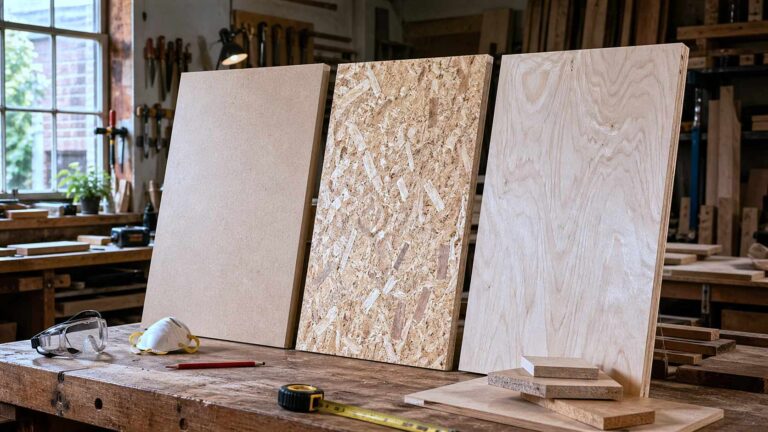
Engineered wood, also known as composite wood, man-made wood, or manufactured board, refers to a range of products made by binding or fixing wood strands, fibres, or veneers together with adhesives. This type of wood is designed to overcome some limitations of solid wood, such as susceptibility to warping, shrinking, and splitting. By using different layers and combining wood with other materials, manufacturers can create products that are stronger, more stable, and often more cost-effective than traditional lumber.
Engineered wood products are typically created by layering different components in a criss-cross pattern or using adhesives and heat to bond the materials together. This manufacturing process results in wood that is uniform in strength and consistency, addressing natural imperfections in solid wood, such as knots and grain inconsistencies. This makes it ideal for construction, furniture, and various other applications where high performance and aesthetics are required.
Types of Engineered Wood
There are several common types of engineered wood, each with unique characteristics and uses:
Plywood
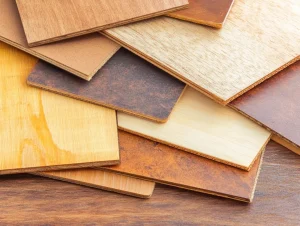
One of the oldest and most popular forms of engineered wood, plywood is made by gluing together thin layers of wood veneer. These layers are arranged with alternating grain directions to improve strength and stability. Plywood is commonly used in construction, furniture making, and for interior panelling.

Oriented Strand Board (OSB)
OSB is made from wood strands compressed and bonded together with resin. It is commonly used in structural applications, such as roofing, flooring, and wall sheathing. OSB is known for being cost-effective and having good mechanical properties, though it is not as aesthetically appealing as plywood.
Medium-Density Fibreboard (MDF)
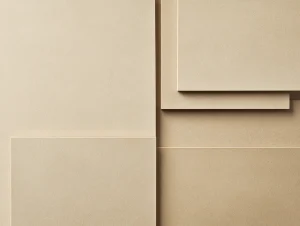
MDF is produced by breaking down hardwood or softwood residuals into wood fibres, which are then mixed with wax and a resin binder. This mixture is then formed into panels by applying high temperature and pressure. MDF is denser than plywood and often used for cabinetry, furniture, and moulding due to its smooth surface, which is ideal for painting and veneering.
Particle Board
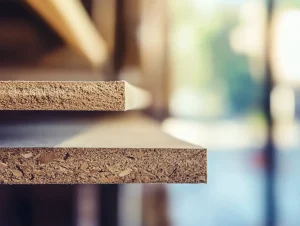
Similar to MDF, particle board is made from wood chips, sawmill shavings, or even sawdust, which are mixed with resin and compressed into sheets. It is lightweight and less expensive than MDF or plywood, making it suitable for inexpensive furniture. However, it is not as strong and may swell if exposed to moisture.
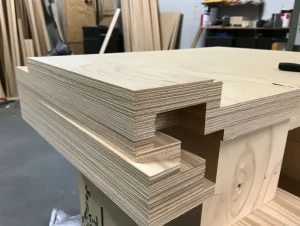
Laminated Veneer Lumber (LVL)
LVL is made by layering thin wood veneers and bonding them together under heat and pressure. It is commonly used in the construction industry for structural purposes like beams, headers, and edge-forming material, due to its high strength-to-weight ratio.
Advantages
Disadvantages
Despite its many benefits, engineered wood does have some downsides:
Applications Where Engineered Wood Outperforms Solid Wood
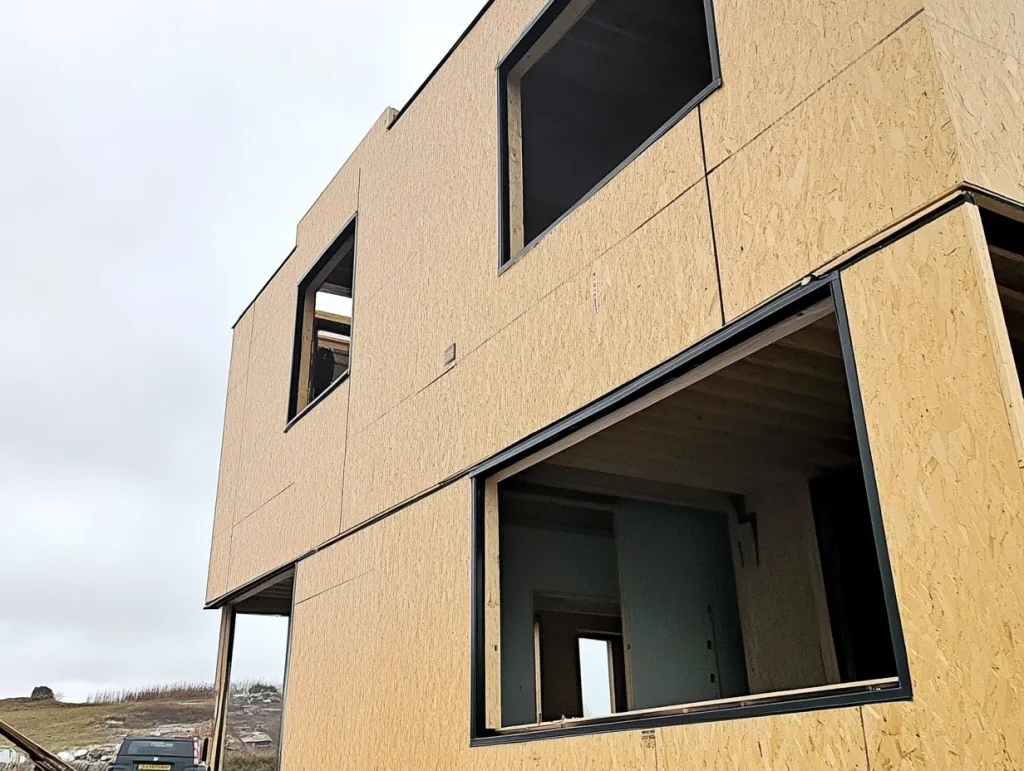
Engineered wood typically outperforms solid wood in certain applications due to its structural stability, cost-effectiveness, and versatility. Here are the key areas where engineered wood has a distinct advantage over solid wood:
1. Structural Applications in Construction
- Flooring, Roofing, and Wall Sheathing: Engineered wood products like plywood, oriented strand board (OSB), and laminated veneer lumber (LVL) are widely used in structural applications. They are less prone to warping, splitting, or shrinking than solid wood, making them ideal for subfloors, roof decking, and wall sheathing. The layered construction of engineered wood helps distribute stress more evenly, providing superior dimensional stability in situations where solid wood might twist or bow over time.
- Beams and Load-Bearing Elements: LVL and glue-laminated timber (glulam) are engineered specifically for use as load-bearing beams and headers. These products can span greater distances without bending compared to solid wood beams, making them perfect for long-span structures in commercial and residential buildings. The manufacturing process allows for the production of longer, uniform lengths of wood that are free from natural imperfections like knots and grain inconsistencies, which can weaken solid wood beams.
2. Moisture-Prone Areas
- Bathrooms, Kitchens, and Basements: Some engineered wood products are specifically designed to resist moisture better than solid wood. Marine plywood and moisture-resistant MDF are treated to withstand high-humidity environments, making them suitable for use in bathroom vanities, kitchen cabinets, and even basement flooring. In contrast, solid wood can swell, warp, or crack when exposed to moisture, making it a less ideal choice for these settings.
- Exterior Siding and Cladding: Engineered wood products such as composite siding and fibre-cement boards are designed to handle outdoor conditions better than most solid wood options. These materials often include additional layers of protection, such as resin coatings or cement additives, which help them resist rot, insect damage, and water penetration.
3. Furniture and Interior Design
- Cabinetry and Shelving: Medium-density fibreboard (MDF) and particle board are commonly used in furniture making and cabinetry because they offer a smooth surface that’s easy to paint or veneer. Solid wood can be difficult to shape uniformly, whereas engineered wood can be easily moulded into intricate designs and patterns, providing greater flexibility for custom finishes.
- Decorative Panelling and Trim Work: Engineered wood is a preferred choice for decorative applications like wainscoting, moulding, and wall panels. Products like MDF and plywood can be veneered with real wood surfaces to achieve the aesthetic of solid wood at a lower cost. They are also less likely to crack or split when used for detailed trim work.
4. Cost-Sensitive Projects
- Large-Scale Commercial Projects: Engineered wood is often less expensive than solid wood, making it a practical choice for projects that require large quantities of material, such as housing developments, office buildings, or schools. The ability to produce engineered wood from smaller or lower-quality trees means it can be manufactured more efficiently, reducing costs.
- Budget Furniture and Flat-Pack Products: Many affordable furniture brands utilise engineered wood products like MDF and particle board because they are cost-effective and easier to mass-produce. While these materials may not be as durable as solid wood, they offer a suitable balance of performance and affordability for budget-conscious consumers.
5. Acoustic and Soundproofing Solutions
- Sound-Resistant Panelling: Engineered wood can be tailored for acoustic performance, making it suitable for soundproofing applications. Acoustic plywood or specialised fibreboards can be used in settings like recording studios, theatres, and home entertainment rooms where sound absorption or soundproofing is required. Solid wood does not typically offer the same level of customisation for acoustic properties.
6. Eco-Friendly and Sustainable Projects
- Environmentally Conscious Construction: Since engineered wood can be produced from wood scraps, smaller trees, and even wood by-products, it contributes to reduced waste and better forest management. Using engineered wood in projects can help meet green building standards like LEED certification, which encourages the use of sustainable materials.
Summary of Advantages in These Applications
In many of these applications, engineered wood not only meets but exceeds the performance of solid wood, making it a versatile and practical material for modern construction, furniture, and design projects.
Applications Where Engineered Wood is Inferior to Solid Wood

Despite its many advantages, engineered wood does have limitations compared to solid wood in certain applications. Here are the key areas where solid wood tends to outperform engineered wood:
1. High-End Furniture and Fine Woodworking
- Premium Furniture and Custom Woodworking: When it comes to luxury furniture, antique reproductions, or handcrafted pieces, solid wood is often the preferred choice. The natural grain, unique patterns, and aesthetic appeal of solid wood are unmatched by engineered wood products. High-quality hardwoods like mahogany, oak, and walnut offer a level of beauty and uniqueness that engineered wood, even with veneers, cannot fully replicate.
- Carving and Intricate Detailing: Solid wood is superior for intricate carving and fine detailing. It responds well to chiselling, shaping, and sanding, making it ideal for applications like sculptures, decorative wood trims, and custom cabinetry. Engineered wood, particularly MDF and particle board, tends to chip or break when fine detailing is attempted.
2. Long-Term Durability and Longevity
- Heirloom Furniture and Long-Lasting Structures: Solid wood is known for its durability and ability to last for generations if properly cared for. Many heirloom-quality furniture pieces and historic wooden structures are made from solid wood because of its ability to withstand wear and tear over long periods. In comparison, some engineered wood products may deteriorate faster, especially if exposed to moisture or physical damage.
- Restoration and Refinishing: Solid wood can be sanded down and refinished multiple times, extending its life. For example, solid wood flooring can be resurfaced several times, making it a better choice for spaces that see heavy foot traffic. Engineered wood flooring has a thin veneer layer that limits the number of times it can be refinished, making it less durable eventually.
3. Outdoor Applications Exposed to Harsh Elements
- Decking and Outdoor Furniture: Solid wood species like teak, cedar, and redwood have natural resistance to moisture, decay, and insects, making them suitable for outdoor decking, garden furniture, and exterior applications. Although some engineered wood products are treated for exterior use, they may still not perform as well as solid wood in extreme weather conditions or prolonged exposure to sunlight and rain.
- Marine Applications: Boat building and dock construction traditionally use solid wood due to its superior resilience to water and ability to be treated with sealants and oils. While marine-grade plywood is used in some applications, it generally cannot match the durability and natural resistance of solid hardwood for tasks that involve direct and continuous contact with water.
4. Load-Bearing Applications Requiring Natural Strength
- Heavy-Duty Structural Applications: In some cases, solid hardwood beams and posts are preferred for load-bearing applications where high strength and natural density are essential. Certain hardwoods, like oak and hickory, have exceptional natural compressive and bending strength that can outperform engineered wood in scenarios requiring maximum weight-bearing capacity. While engineered wood like LVL and glulam are strong, they may not match the natural resilience of some hardwoods in these demanding structural roles.
- Traditional Timber Framing: For traditional timber framing and exposed beams, the appearance and strength of solid wood are often more desirable. Solid timber provides a more authentic aesthetic and can be shaped and joined using classic woodworking techniques, which is important for restoration projects or period-specific architecture.
5. High-Moisture Environments Without Treatment
- Bathrooms and Saunas: In high-moisture environments, such as saunas, steam rooms, and wet areas, untreated solid wood like cedar or teak can outperform engineered wood due to its natural resistance to moisture and rot. Many engineered wood products will swell, warp, or delaminate if exposed to significant moisture unless they are specifically treated for water resistance.
- Boats and Docks: As mentioned, solid wood’s natural oils and density can make it a better choice than engineered alternatives for continuous exposure to water, depending on the type.
6. Environmental Concerns with Adhesives and Chemicals
- Health and Environmental Impact: Solid wood does not contain adhesives, resins, or chemicals, which can be found in many engineered wood products. These chemicals, such as formaldehyde, may emit volatile organic compounds (VOCs) over time, affecting indoor air quality. For people concerned with eco-friendliness and toxicity, solid wood may be the better choice as it is a natural and sustainable material without the added synthetic components.
Summary of Disadvantages in These Applications
In conclusion, while engineered wood has many benefits, there are specific situations where solid wood’s natural qualities make it the superior choice. For projects emphasising aesthetics, long-term durability, natural resilience, and environmental health, solid wood remains the preferred material.
Conclusion
Engineered wood offers a combination of strength, versatility, and cost-effectiveness, making it a popular choice across various industries. It excels in applications where dimensional stability, affordability, and resource efficiency are essential, such as construction, furniture manufacturing, and interior design. Products like plywood, MDF, and laminated veneer lumber perform well in structural roles, moisture-prone areas, and budget-conscious projects, providing consistent quality and superior performance over solid wood in numerous instances.
However, there are situations where solid wood outshines engineered alternatives, particularly when it comes to aesthetic appeal, long-term durability, and traditional woodworking techniques. For high-end furniture, intricate carving, outdoor structures, and applications requiring natural strength, solid wood’s unique grain patterns, ability to be refinished multiple times, and natural moisture resistance make it the superior choice. Additionally, health and environmental concerns regarding the adhesives used in engineered wood can make solid wood a more eco-friendly and non-toxic option.
Overall, while engineered wood’s benefits often outweigh its limitations, there are specific contexts where solid wood’s natural qualities provide significant advantages. Understanding the strengths and weaknesses of both materials helps in making informed decisions for any project, ensuring that the right material is chosen for the desired performance, appearance, and longevity.